Elevate Your Stationery: A Guide to Wedding Invitation Ornament Clipart
In the world of event stationery and digital design, the details are what transform a standard piece of paper into a keepsake. While typography often gets the spotlight, the supporting visual elements—specifically ornamental graphics—play an equally vital role in setting the mood. For designers, crafters, and entrepreneurs working on upscale projects, finding the right decorative asset can be the difference between a design that feels "homemade" and one that feels "bespoke." If you are currently sourcing assets for a high-end project, specifically a Wedding Invitation Ornament, you know that quality and versatility are non-negotiable.
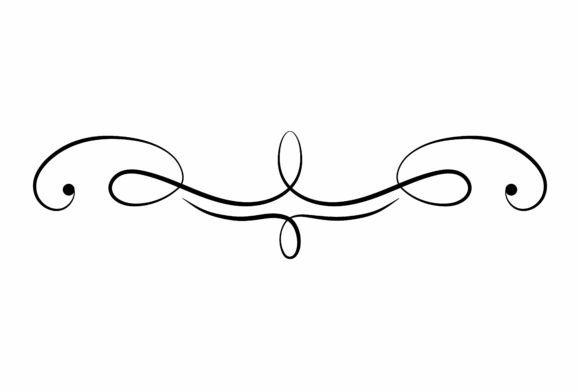
You may have come across a specific black ornament clipart illustration characterized by intricate filigree work. This type of oriental vector graphic is not just a simple doodle; it is a sophisticated design element that bridges the gap between traditional elegance and modern utility. Whether you are designing for a client’s big day or creating products for your print-on-demand store, understanding how to leverage these decorative assets is crucial for delivering professional results.
The Visual Character of Filigree Ornamentation
When we talk about a "Wedding Invitation Ornament," we are usually referring to a specific aesthetic language. The asset described here relies on the timeless appeal of filigree. This style is defined by fine, swirling lines that create symmetrical patterns, often reminiscent of wrought iron or delicate lace. The "black ornament clipart" style provides high contrast, making it incredibly versatile for layering over various backgrounds.
The "oriental vector graphic" influence suggests a complexity in the design that goes beyond simple swirls. It implies a richness in the pattern that adds texture to a flat page. For designers, this style acts as a powerful visual anchor. Unlike a heavy display font that demands to be read, a filigree ornament is meant to be felt. It creates a sense of luxury, tradition, and formality without overwhelming the text it surrounds. In brand identity, these elements can be used to suggest a heritage of craftsmanship, making them ideal for brands that want to appear established and trustworthy.
Practical Applications: Beyond the Wedding Suite
While the primary use case is evident—creating beautiful invitation cards—the utility of a high-quality Wedding Invitation Ornament extends far beyond the envelope. Because this specific asset is available in formats like SVG, DXF, and EPS, it is a powerhouse for physical crafting. If you own a Cricut machine, you can literally cut these intricate designs out of paper, vinyl, or cardstock. This opens up a world of possibilities for scrapbooking enthusiasts and event decorators who need physical, cut-out elements for centerpieces or place settings.
However, the digital applications are equally vast. In editorial design, such as book covers or magazine layouts, these ornaments serve as elegant chapter dividers or spot illustrations. They can break up long blocks of text in a blog layout, adding a visual pause that refreshes the reader's eye.
For marketing professionals, consider the impact of these graphics on social media. A filigree frame can elevate a simple quote or testimonial into a shareable piece of content. In packaging design, a subtle gold or black foil version of this ornament can signal a premium product tier. It is a versatile design asset that adapts to the context you place it in.
Technical Specifications and Workflow Integration
A major frustration for designers is downloading an asset only to find it is too low-resolution for print or incompatible with their software. This is where the technical specs of this particular ornament shine. At 4936x3319px with 300 dpi, this image is built for production. You can scale it for large format printing, such as banners or signage, without losing the crispness of the filigree lines. The high resolution ensures that the fine details remain sharp, which is critical for print on demand products where quality control is handled by the printer.
The file availability is another strong point. The inclusion of PNG, SVG, EPS, JPG, AI, and DXF means this asset fits seamlessly into almost any workflow.
- Adobe Illustrator & Photoshop: Use the AI or EPS files for full scalability and color manipulation.
- Cricut & Silhouette: The SVG and DXF files are essential here. These vector formats allow cutting machines to trace the paths accurately, ensuring clean cuts on paper or vinyl.
- Web & General Use: PNGs with transparency are perfect for overlaying on website headers or social media graphics.
Strategic Implementation in Modern Design
How you use a Wedding Invitation Ornament depends heavily on your project's goals. If you are working on logo design, restraint is key. A filigree element can be used as a background texture or a framing device for a script font, but it shouldn't compete with the legibility of the brand name. The goal is to enhance readability and visual hierarchy, not to create visual noise.
When pairing this ornament with typography, look for balance. The intricate nature of filigree pairs well with clean, modern sans serif fonts for a high-contrast look, or with elegant serif fonts for a cohesive, traditional feel. Avoid pairing it with overly busy handwritten fonts or modern typography that relies on geometric simplicity, as the styles may clash.
For small business owners creating greeting cards or stickers, consistency is vital. By using the same ornament or a variation of it across your product line, you create a visual thread that ties your collection together. This builds brand recognition and gives your shop a professional, curated aesthetic.
Ultimately, this black ornament clipart is more than just a decoration; it is a tool for storytelling. Whether you are setting the scene for a wedding, designing a luxury brand identity, or crafting a physical scrapbook, these ornamental designs provide the polish and sophistication required to stand out in a crowded market.